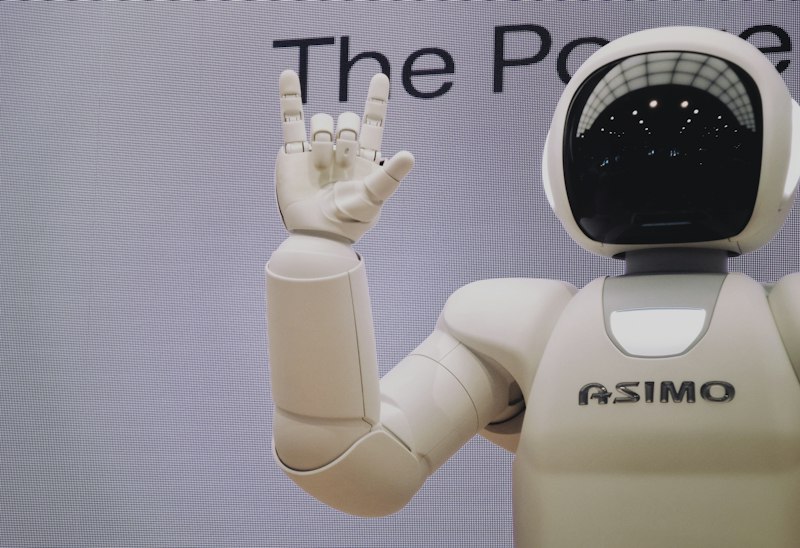
The Rapid Evolution of AI: Transforming the Technology Industry
In an era where artificial intelligence is no longer a nascent technology but a pervasive force, the tech industry finds itself at a crossroads. As AI capabilities grow, so do the complexities surrounding its integration into various sectors. This article explores the latest developments in AI, highlighting both opportunities and challenges that lie ahead.
The Surge in AI Investment
In recent years, there has been a substantial increase in investments directed towards AI research and development. According to a report from the International Data Corporation (IDC), global spending on AI systems is expected to reach $97.9 billion by the end of 2023, a significant rise from $37.5 billion in 2019. This surge is primarily driven by the potential of AI to revolutionize industries such as healthcare, finance, and manufacturing.
Venture capitalists and tech giants are funneling resources into startups that promise cutting-edge AI solutions. Google, Amazon, and Microsoft remain at the forefront, continuously expanding their AI capabilities through acquisitions and internal innovation.
AI's Role in Shaping the Future of Work
The integration of AI into the workplace has sparked extensive debate about the future of labor. Automation and machine learning are reshaping job roles, leading to fears of job displacement. However, AI is also creating new opportunities for employment, particularly in tech-savvy sectors.
Experts suggest that while certain low-skill jobs may be automated, AI will augment human capabilities, allowing workers to focus on tasks that require creativity and complex problem-solving.
"AI should be seen as a tool that enhances human potential, not as a replacement,"explains Dr. Lisa Morales, a leading AI ethicist.
Addressing Ethical Concerns in AI Development
As AI systems become more prevalent, ethical considerations have taken center stage. Issues such as algorithmic bias, data privacy, and surveillance are under scrutiny. Developers and policymakers are called to ensure AI systems are designed with fairness and transparency in mind.
The European Union's proposed AI Act aims to regulate AI technologies to prevent misuse and ensure ethical deployment. Such policies are critical as they set standards that could influence global practices.
AI in Healthcare: A Boon or a Bane?
The healthcare sector is witnessing a transformative shift with the adoption of AI technologies. From diagnostics to personalized medicine, AI is enhancing patient care. AI-driven tools are capable of analyzing vast datasets to detect patterns that might escape human eyes.
However, the reliance on AI in healthcare also raises questions about accountability and the potential for errors. The debate continues on how to balance innovation with patient safety.
Conclusion: Navigating the AI-Driven Future
The rapid evolution of AI presents both exciting possibilities and significant challenges. As the technology industry continues to innovate, it must also grapple with the ethical and societal implications of AI integration. Stakeholders must collaborate to ensure that AI advancements prioritize human dignity, creativity, and agency. By doing so, we can navigate this AI-driven future with optimism and responsibility.
About the Author
Aaron India explores how artificial intelligence reshapes what it means to be human — and what we must protect in the process.