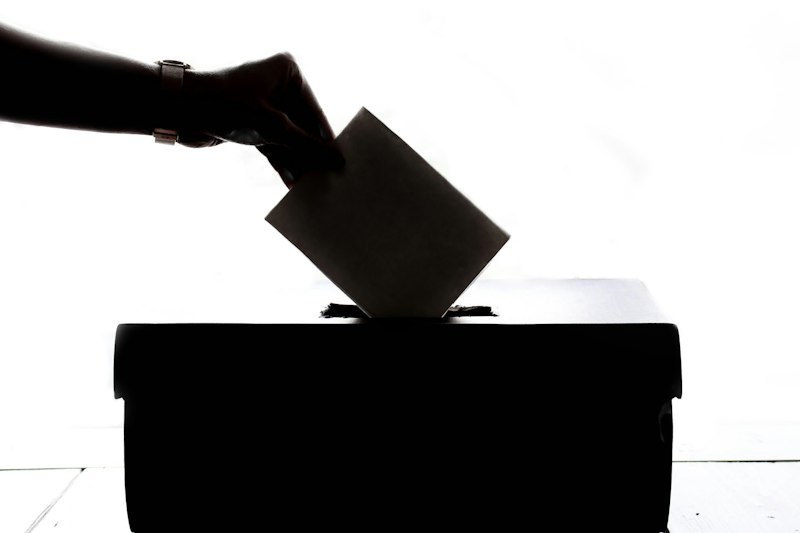
Trump Casts Florida Mail Ballot While Advocating for National Restrictions on Mail-In Voting
In a move that has reignited debates over voting accessibility, former President Donald Trump has cast his mail ballot in Florida while simultaneously urging Congress to implement stringent limitations on mail-in voting across the nation. This development comes amid ongoing discussions about election integrity and voting rights in the United States.
Trump's Voting Action in Florida
Donald Trump, who maintains Florida as his primary residence, recently exercised his right to vote by mail, a method he has both utilized and criticized in recent years. His decision to vote this way underscores a complex relationship with mail-in voting, which he has previously deemed susceptible to fraud despite a lack of substantive evidence supporting such claims.
Trump's spokesperson remarked that the former president believes in the integrity of Florida's voting system, citing its stringent checks and balances. "Florida has a reliable mail-in voting system with robust security measures," the spokesperson stated.
Advocating for Nationwide Restrictions
Despite his participation in mail-in voting, Trump is actively lobbying Congress to enact legislation that would significantly restrict mail-in voting options nationally. His proposal includes measures such as requiring voters to provide identification when requesting mail ballots, limiting the reasons for which mail ballots can be requested, and shortening the period during which mail-in ballots can be cast.
In a statement, Trump asserted,
"To protect the sanctity of our elections, we must ensure that mail-in voting is restricted and closely monitored."This statement aligns with his long-held belief that mail-in voting could potentially compromise election integrity, a viewpoint that resonates with a significant section of the conservative base.
Analysis of the Implications
The contrast between Trump's personal voting practices and his public advocacy highlights a broader debate within the Republican Party regarding voting access and election security. While some argue that mail-in voting increases voter participation, others, including Trump, believe that more rigorous controls are necessary to prevent potential fraud.
Critics of Trump's stance caution that imposing severe restrictions on mail-in voting could disenfranchise voters, particularly those in rural areas or with limited mobility. They argue that the focus should be on enhancing security measures without broadly limiting access to mail voting.
- Proponents of mail-in voting emphasize its convenience and accessibility.
- Opponents stress the importance of election security and the prevention of fraud.
- The debate continues to shape legislative agendas at both state and federal levels.
Conclusion
As Trump casts his mail ballot in Florida while advocating for nationwide restrictions, the discussion around mail-in voting remains a contentious issue in American politics. The former president's actions and proposals are likely to influence upcoming legislative battles and the broader discourse on voting rights. As this debate unfolds, the balance between accessibility and security will remain a pivotal topic for lawmakers, voters, and political analysts alike.
About the Author
Nathaniel N. Thompson, colloquially known as N.N., is a veteran journalist acclaimed for his deep coverage of Congressional activities and policy analysis. With decades of insider-reportage under his belt, N.N. is renowned for his broad network of sources within Capitol Hill and his insightful interpretation of American politics.