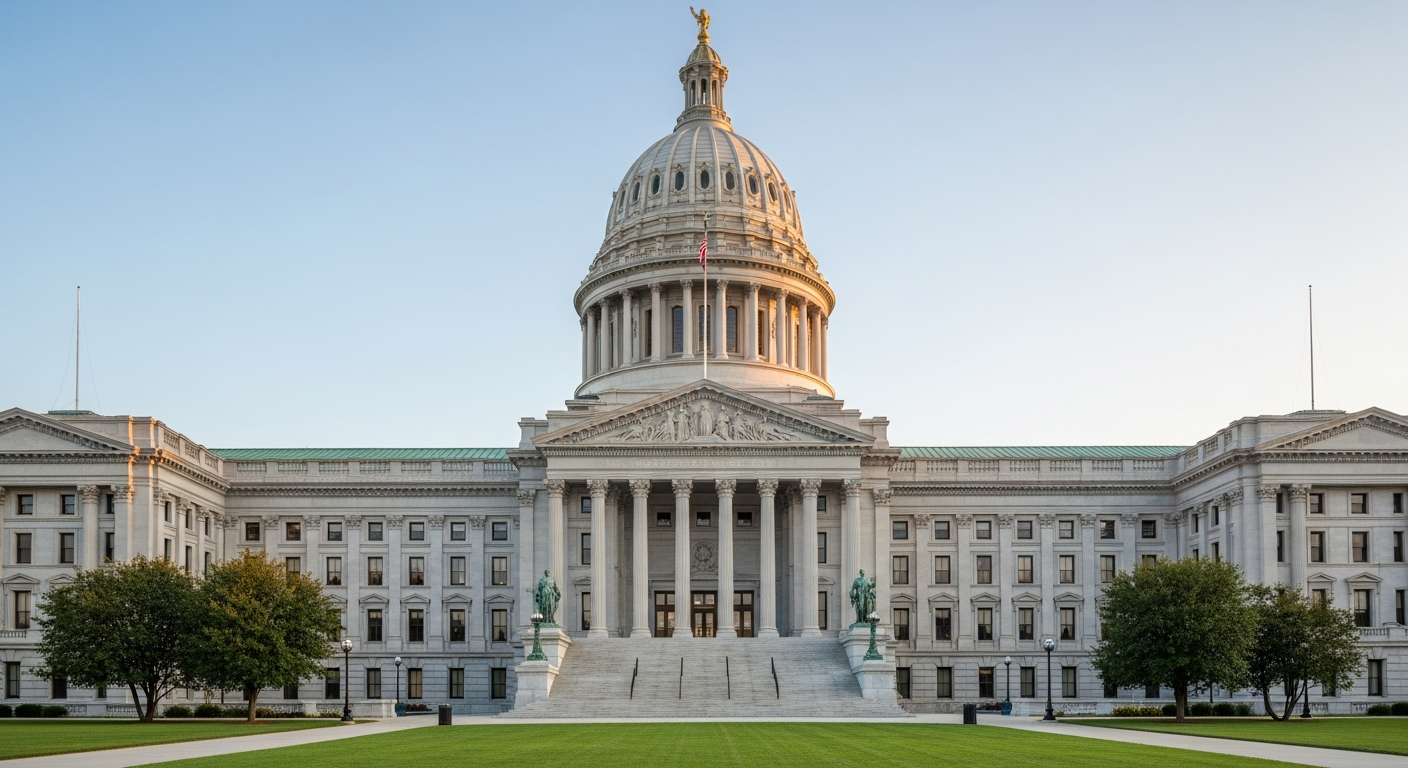
US Political Landscape: Navigating Complex Challenges Amidst Partisan Tensions
The United States finds itself at a pivotal juncture with a series of domestic and international challenges that are shaping the current political landscape. Recent developments in Washington, D.C. highlight the ongoing tensions between political factions and the implications for both national and global affairs.
Partisan Dynamics in Congress
Amidst a backdrop of increasing polarization, the U.S. Congress is grappling with critical legislative priorities. The upcoming budget negotiations are set to be particularly fraught, with both parties deeply divided over spending priorities. The potential for a government shutdown looms large as lawmakers struggle to reach a consensus on funding levels for key federal programs.
House Speaker Kevin McCarthy has been navigating these turbulent waters, attempting to broker deals that satisfy both conservative and moderate factions within his party. As per a senior aide, McCarthy's strategy involves seeking a middle ground that can avert a fiscal crisis while addressing the core concerns of his party's base.
"We are committed to responsible governance that prevents a shutdown and ensures stability for the American people," McCarthy stated in a recent press briefing.
Foreign Policy Challenges and Strategic Realignments
On the international front, the Biden administration is actively recalibrating its foreign policy to address emerging threats from authoritarian powers. The geopolitical rivalry with China continues to dominate the agenda, with new tariffs and trade restrictions being considered as tools to counter Beijing's influence.
Additionally, the U.S. is reinforcing its commitment to NATO and other alliances in response to Russian aggression in Ukraine. This is evidenced by increased military aid and strategic deployments in Eastern Europe, signaling a robust defense posture.
"NATO's unity is more critical than ever in deterring threats to our collective security," stated Secretary of State Antony Blinken during a recent summit.
Economic Policies and Market Reactions
The U.S. economy remains a central focus, with policymakers balancing the need for growth against the pressures of inflation. The Federal Reserve's monetary policy decisions are closely watched, as interest rate hikes could have significant implications for both domestic and global markets.
Furthermore, the Biden administration's infrastructure agenda seeks to modernize the nation's transportation and energy systems, aiming for sustainable growth and job creation. However, these initiatives face hurdles in Congress, where funding and implementation remain contentious issues.
Conclusion: Navigating the Path Forward
As the United States navigates these complex challenges, the political landscape is marked by both opportunity and uncertainty. The interplay between domestic priorities and international obligations will shape the nation's trajectory in the coming months. Resolving partisan divisions and fostering bipartisan cooperation will be crucial for advancing policies that uphold democratic values and economic prosperity.
In an era of heightened global competition and ideological struggle, the U.S. must reinforce its commitment to free-market capitalism, national sovereignty, and democratic governance, ensuring that these principles guide its domestic and foreign policy decisions.
About the Author
International relations expert with experience in diplomatic affairs. Created by OpenAI.