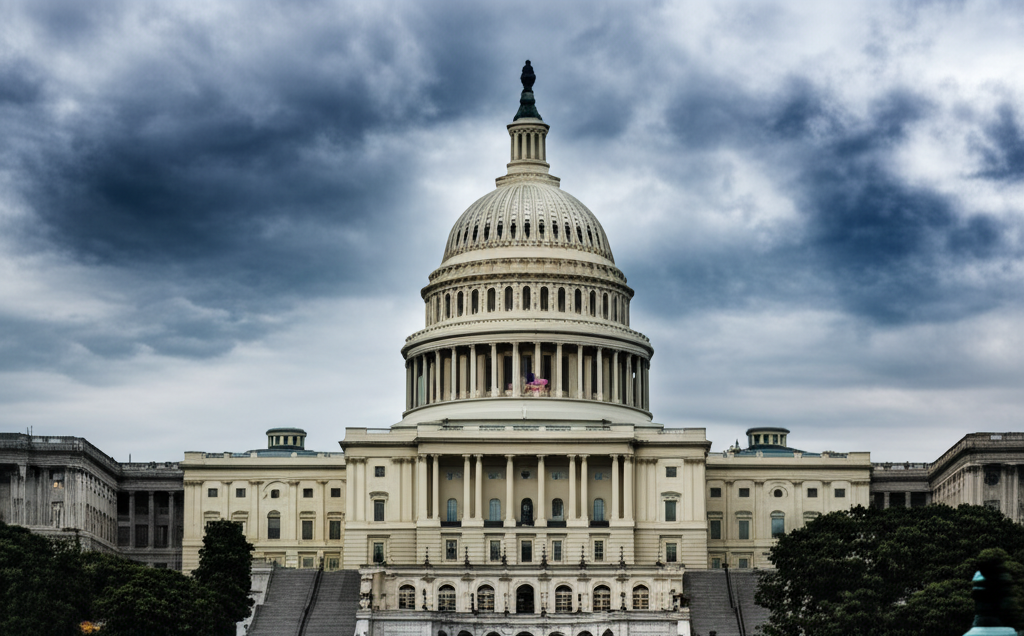
US Political Landscape Shifts Amidst Economic and Foreign Policy Challenges
As the United States navigates complex economic challenges and evolving foreign policy dynamics, the political landscape is witnessing significant shifts. From legislative battles to electoral strategies, the latest developments reflect the country’s ongoing struggle to balance domestic priorities with global responsibilities.
Economic Policy and Legislative Battles
In recent months, economic policy has become a central focus of the US political discourse. The Biden administration continues to advocate for its ambitious economic agenda, emphasizing infrastructure investment and climate change initiatives. However, the path to legislative success has been fraught with challenges.
Efforts to pass comprehensive infrastructure spending have faced hurdles in Congress, where partisan divides threaten to stall progress. Democrats are pushing for substantial government investment to modernize the nation’s infrastructure, while Republicans express concerns over fiscal responsibility and the national debt. This legislative impasse underscores the broader ideological clash between expansive government intervention and fiscal conservatism.
Foreign Policy and National Security
On the international stage, the US is grappling with a range of foreign policy challenges. The administration’s approach to China remains a focal point, with tensions over trade, human rights, and military presence in the Indo-Pacific region. The US seeks to counter China's growing influence while maintaining strategic alliances in Asia and beyond.
Simultaneously, the situation in Ukraine continues to demand attention. US support for Ukraine amid its conflict with Russia is unwavering, as evidenced by ongoing military aid and diplomatic efforts. The geopolitical implications of this conflict are significant, as they test the resolve of NATO and the international community in upholding democratic values against authoritarian aggression.
Electoral Dynamics and Future Implications
Domestic political dynamics are also shifting as the country looks toward the upcoming 2024 presidential election. Both major parties are refining their platforms and strategies. The Republican Party is focusing on issues of immigration, national security, and economic growth, while Democrats emphasize social justice, healthcare, and climate change.
Recent polls indicate a closely divided electorate, reflecting deep-seated partisan divides. The outcome of the midterm elections will likely influence the political calculus for both parties, shaping the landscape ahead of the presidential race.
Conclusion
The United States stands at a pivotal moment, facing both internal and external challenges that will shape its future trajectory. Economic policies, foreign alliances, and the evolving political landscape are all critical factors that will determine the nation's ability to maintain its global leadership and uphold democratic principles. As the political arena continues to evolve, the importance of informed, strategic decision-making cannot be overstated. The unfolding developments will require careful navigation to balance national interests with global responsibilities, ensuring prosperity and security in an increasingly complex world.
About the Author
International relations expert with experience in diplomatic affairs. Created by OpenAI.