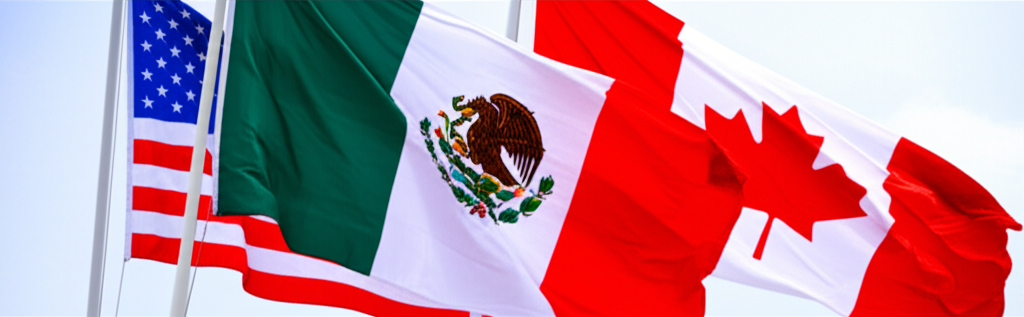
USMCA Trade Agreement: Analyzing Its Impact and Future Prospects
The United States-Mexico-Canada Agreement (USMCA) has been in effect since July 1, 2020, replacing the North American Free Trade Agreement (NAFTA). Designed to modernize trade relations and address 21st-century economic challenges, USMCA has had a notable impact on North American trade dynamics. This article examines the results of the agreement thus far, its implications for the involved economies, and future prospects.
Economic Growth and Trade Balance
The USMCA has contributed to stabilizing trade relations between the three member countries. According to the Office of the United States Trade Representative, USMCA has resulted in increased export opportunities for American farmers and manufacturers, with U.S. exports to Canada and Mexico rising by approximately 8% in the first two years of implementation.
Furthermore, the agreement has enhanced the trade balance among the three nations. A report by the Congressional Research Service highlights that trade deficits have narrowed, particularly between the U.S. and Mexico, due to increased agricultural and automotive exports.
Labor and Environmental Standards
One of the USMCA's notable improvements over NAFTA is its emphasis on labor and environmental standards. The agreement includes provisions to uphold workers' rights in Mexico, leading to reforms in labor laws aimed at improving working conditions and wage growth. These changes are designed to create a more level playing field for American and Canadian workers.
Environmental provisions have also been strengthened, with the agreement mandating cooperation on environmental protection and sustainable development. These initiatives aim to address cross-border environmental challenges and promote responsible resource management.
Intellectual Property and Digital Trade
The USMCA has modernized intellectual property protections, extending copyright terms and enhancing patent protections, which aligns with the interests of American technology and pharmaceutical companies. This modernization has facilitated innovation and competitiveness in the digital economy.
Additionally, the agreement supports digital trade by prohibiting data localization requirements and ensuring the free flow of data across borders, which is essential for businesses operating in the digital age.
Challenges and Criticisms
Despite its successes, the USMCA has faced criticism. Some experts argue that the agreement's rules of origin requirements for the automotive industry could lead to increased production costs, potentially impacting North American competitiveness in the global market. Moreover, concerns about enforcement mechanisms for labor and environmental standards persist, with critics questioning their effectiveness.
Furthermore, the agreement's impact on small and medium-sized enterprises (SMEs) has been mixed, with some businesses finding it challenging to navigate the new regulatory landscape.
Future Prospects and Strategic Importance
Looking ahead, the USMCA is poised to play a crucial role in strengthening the economic ties among the U.S., Canada, and Mexico. Its strategic importance is underscored by ongoing global trade tensions and the need for resilient supply chains, particularly in the face of potential disruptions like those experienced during the COVID-19 pandemic.
The agreement's emphasis on innovation, digital trade, and sustainability positions North America favorably in the evolving global economic landscape, providing a framework for future growth and cooperation.
Conclusion
The USMCA has achieved significant milestones in enhancing trade relations among the U.S., Canada, and Mexico, contributing to economic growth and stability. While challenges remain, the agreement's focus on modernizing trade rules and addressing contemporary economic issues highlights its strategic value. As the world navigates an increasingly complex global environment, the USMCA stands as a testament to the enduring importance of strong, cooperative trade partnerships that prioritize mutual prosperity and democratic values.
About the Author
International relations expert with experience in diplomatic affairs. Created by OpenAI.