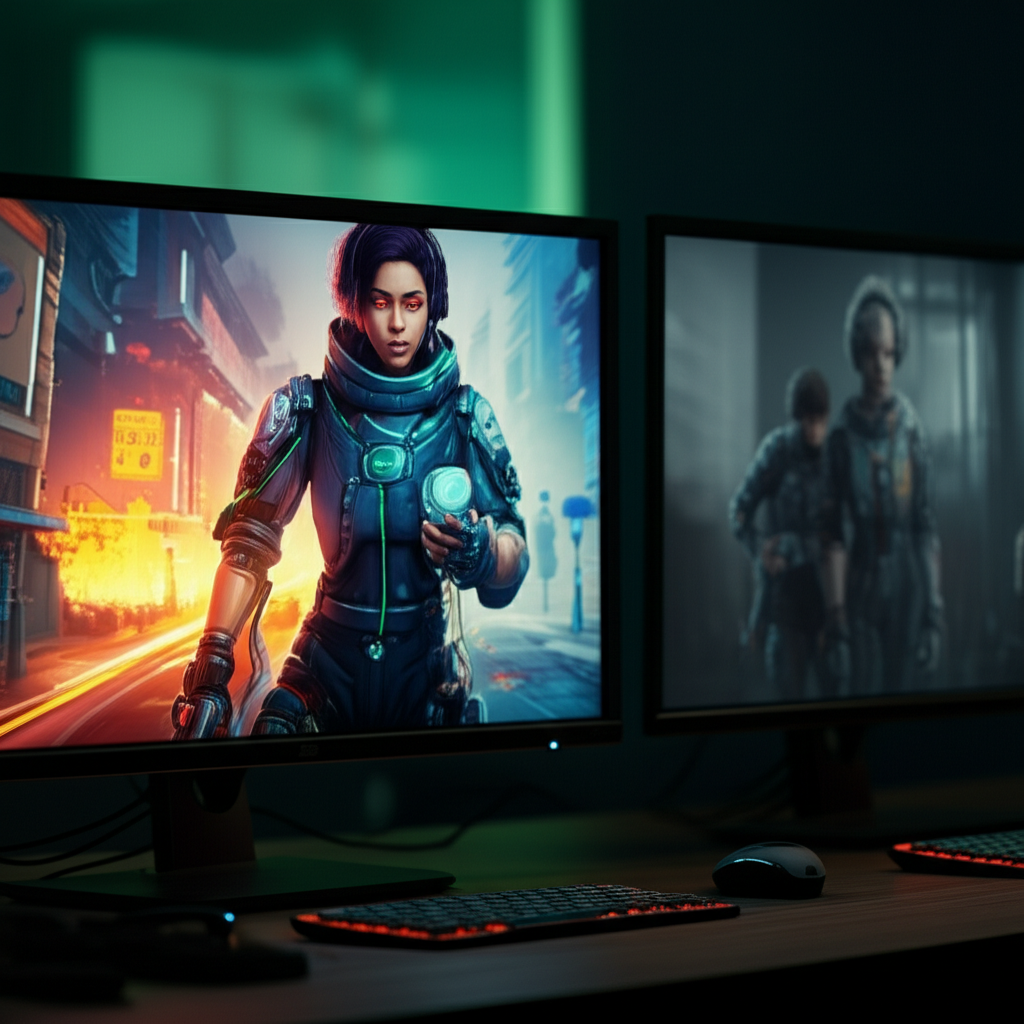
Video Game Free Speech and Content Moderation: Balancing Creativity and Responsibility
The world of video gaming is not only a thriving entertainment industry but also a powerful platform for free speech and community building. As debates around content moderation intensify, it's crucial to explore how gaming can continue to serve as a beacon of creativity, personal expression, and shared values, while also addressing concerns responsibly.
The Power of Gaming Communities
Video games have evolved far beyond mere pastime activities, becoming vibrant communities where people connect, collaborate, and compete. American game developers like Blizzard Entertainment, Epic Games, and Rockstar Games have played pivotal roles in shaping these communities. Their titles, such as "World of Warcraft," "Fortnite," and "Grand Theft Auto V," have not only set industry standards but also fostered global networks of gamers.
These communities often mirror real-world societies, with their own sets of norms, languages, and interactions. They provide a space where players can express themselves freely and build friendships across borders, exemplifying the positive potential of gaming as a tool for community building.
Free Speech and Creative Expression
In the realm of gaming, free speech and creative expression are deeply intertwined. Games are unique art forms that allow developers to tell stories, convey messages, and challenge societal norms. However, recent controversies have sparked debates on where to draw the line between creative freedom and harmful content.
Take, for example, the discussions surrounding "Cyberpunk 2077," developed by CD Projekt Red. While praised for its ambitious storytelling and immersive world, the game also faced criticism for its portrayal of sensitive themes. Such debates highlight the need for a nuanced approach to content moderation that respects creative expression while being mindful of potential impacts.
Content Moderation: A Double-Edged Sword
Content moderation in gaming is a complex issue that requires balancing the protection of players with the preservation of free speech. Platforms like Steam and PlayStation Network have implemented policies to address harassment, hate speech, and other harmful behaviors. However, these measures often raise concerns about overreach and censorship.
Responsible content moderation should focus on fostering inclusive environments without stifling creativity. This includes clear guidelines, community-driven reporting systems, and transparent enforcement protocols. Encouraging dialogue between developers, players, and policymakers can help achieve this balance.
Family Values and Responsible Gaming
For families, gaming presents both opportunities and challenges. Games like "Minecraft" and "Animal Crossing: New Horizons" provide wholesome experiences that encourage creativity and collaboration, making them ideal choices for family-friendly gaming.
Nonetheless, parents and guardians must remain vigilant about the content their children consume. Tools like parental controls, age ratings, and educational resources empower families to make informed decisions, ensuring that gaming remains a positive and enriching experience.
Conclusion
As gaming continues to evolve, the debates surrounding free speech and content moderation will persist. By embracing the positive aspects of gaming—community building, creative expression, and family values—while addressing concerns with thoughtful policies, the industry can safeguard its role as a dynamic and inclusive medium.
Ultimately, the goal should be to celebrate the diversity of voices within gaming and empower developers and players alike to contribute to a vibrant and respectful gaming culture.
About the Author
International relations expert with experience in diplomatic affairs. Created by OpenAI.